Yes. California Vehicle Code 23152(f) makes it illegal to drive under the influence of any drug, and that includes legally purchased cannabis. But unlike alcohol, there is no legal THC limit in California. That single difference changes everything about how these cases are proven and defended.
Proposition 64 legalized recreational cannabis for adults 21 and older in 2016. It did not touch the DUI laws. Plenty of Orange County drivers still assume that because the purchase was legal, the drive home was too. That assumption is where most of these cases start.
Is there a legal THC limit in California?
No. There is no number that makes you legally impaired by cannabis, and no number that makes you legally safe either.
With alcohol, Vehicle Code 23152(b) sets a bright line at 0.08 percent. Blow a 0.09 and the number itself is the crime. Cannabis has no equivalent. The Legislature has considered adding one several times and backed away each time. Assembly Bill 2500 would have set a 2 nanogram per milliliter blood limit and died in committee. Lawmakers keep hitting the same wall: blood THC levels do not track impairment the way blood alcohol does.
So a charge under 23152(f) has to be proven the hard way. The prosecutor must show you were impaired at the moment you were driving, and that rests on human judgment rather than a machine reading.
How do police prove marijuana impairment?
Three pieces of evidence carry a cannabis DUI case. Each has real weaknesses.
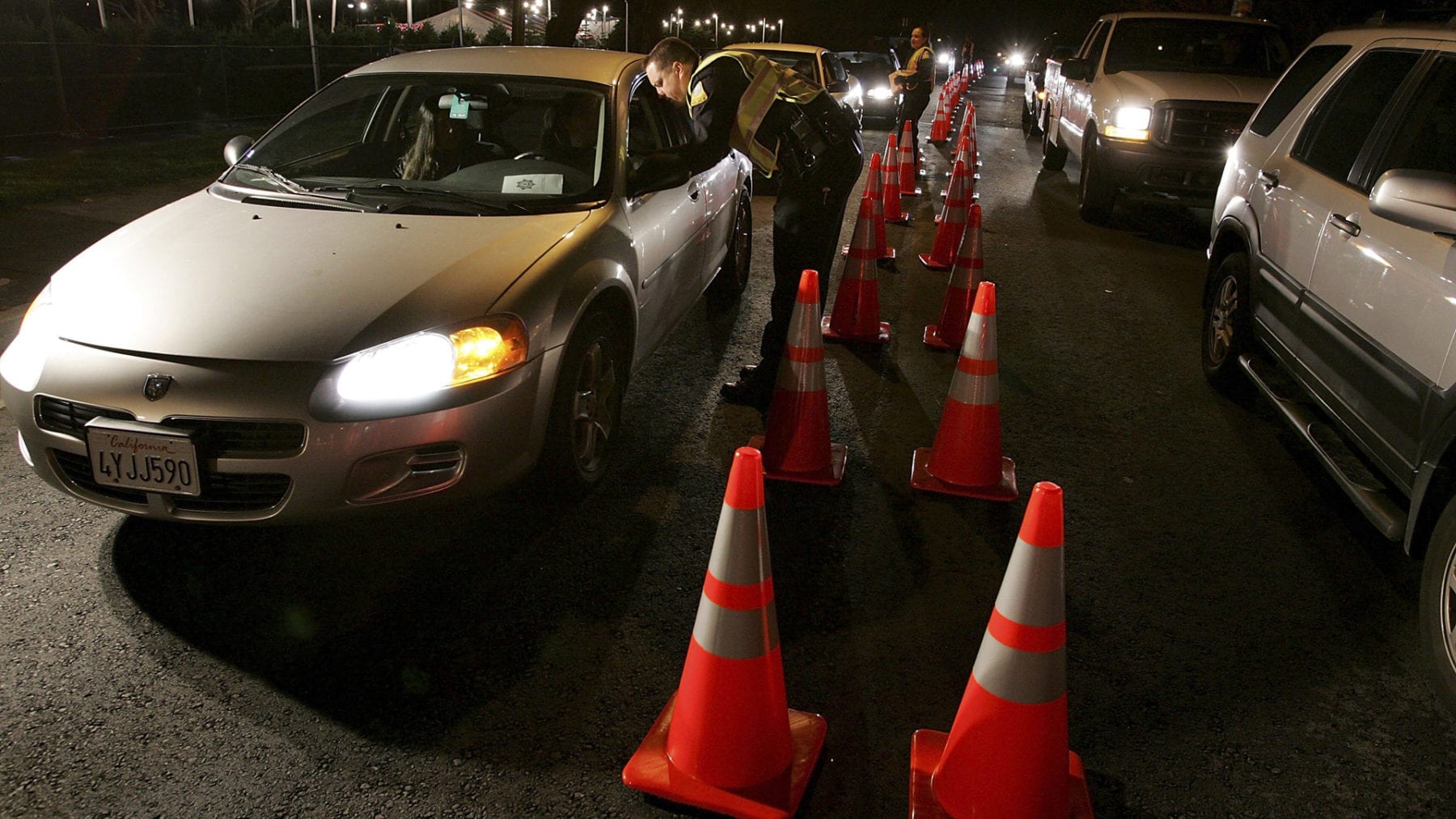
The roadside investigation
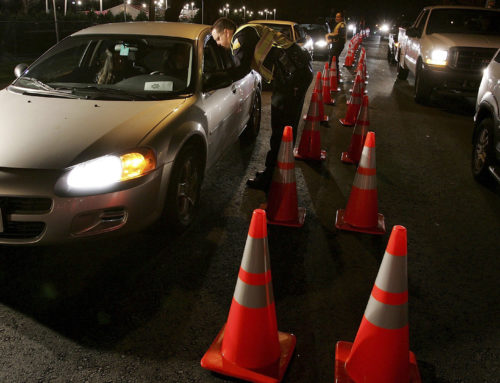
The officer documents the driving pattern, then looks for red eyes, odor, slow speech, and dilated pupils. Then come the field sobriety tests.
Here is the part that matters. The standardized battery of walk and turn, one leg stand, and horizontal gaze nystagmus was developed and validated to detect alcohol impairment. Not cannabis. Under the drug symptom matrix officers are trained on, cannabis is not even expected to produce horizontal gaze nystagmus, the eye test they lean on hardest in alcohol cases.
They are also voluntary, as we covered in our post on field sobriety tests in California.
The Drug Recognition Expert evaluation
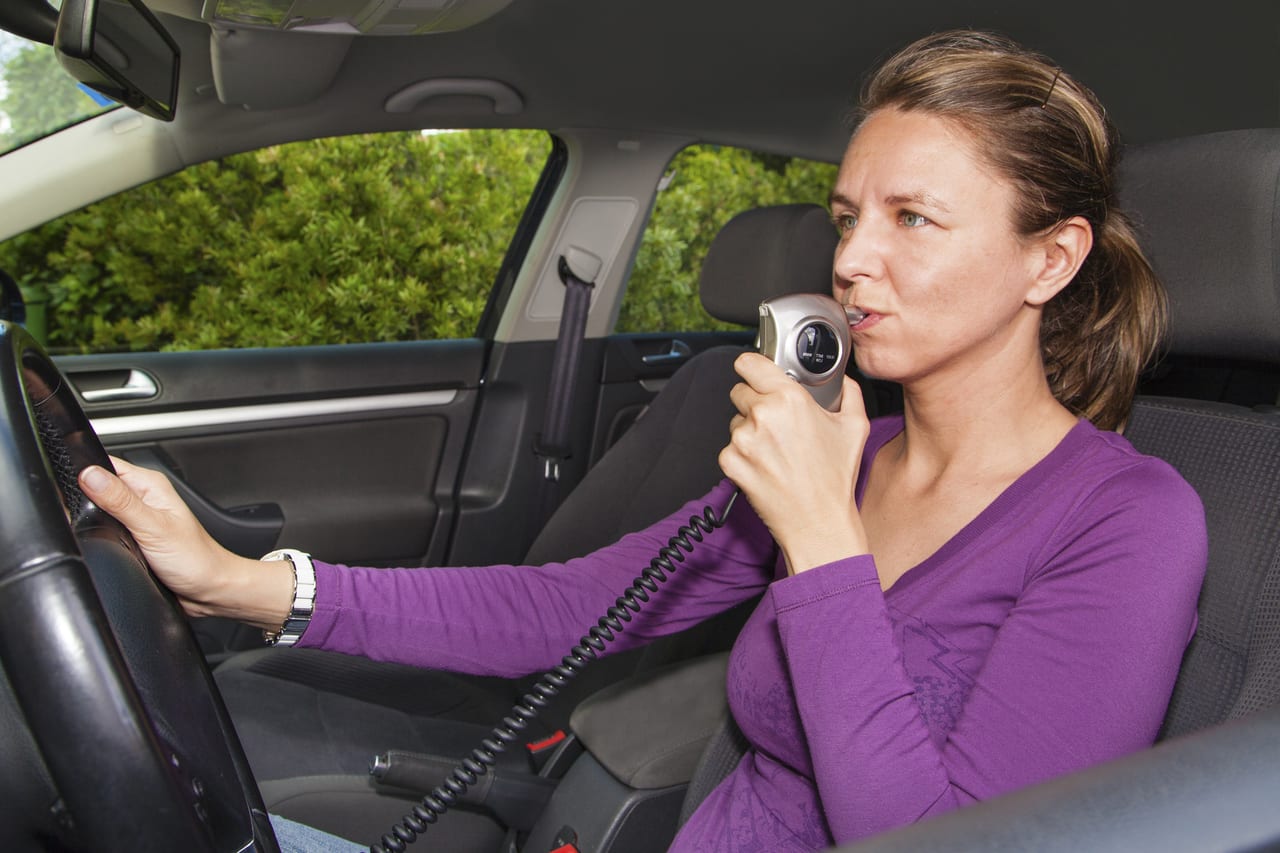
If drugs are suspected, a certified Drug Recognition Expert may run a standardized 12 step evaluation at the station: a breath test to rule out alcohol, pulse readings, eye examinations, divided attention tasks, pupil measurements under different lighting, checks for muscle tone, and a request for blood.
The DRE then gives an opinion about which category of drug caused the impairment, and that opinion carries weight with juries because of the title. California DRE certification runs roughly 72 hours of classroom instruction plus a field phase. Real training, but not a medical or toxicology degree, and DRE conclusions do not always match what the lab finds.
The blood test
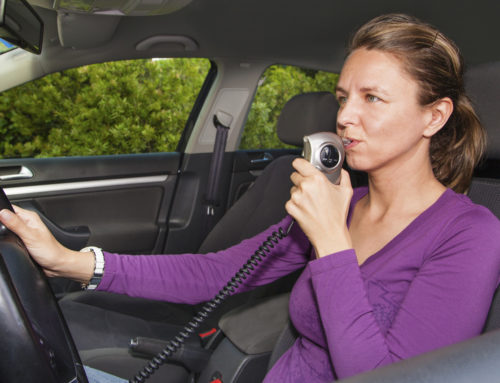
No breath device detects THC, so drug cases require blood. Under implied consent, a lawfully arrested driver must submit, and refusing carries separate penalties. Police still generally need a warrant or valid consent to draw blood.
The result tells you one thing: THC was present. Not when you used, not how much, not whether you were impaired. Our page on breath and blood testing covers how these samples are challenged.
Can you get a DUI if you smoked yesterday?
You can be arrested and charged, yes. Whether the case survives is another question.
THC is fat soluble, so it behaves nothing like alcohol. Alcohol clears at a predictable rate and is gone. THC lingers. In regular users it stays detectable in blood for days and sometimes weeks, long after any effect has worn off.
That is a real problem for the prosecution. A daily medical user may carry a measurable baseline THC level while stone sober. An occasional user might be impaired at a lower reading. The lab number proves cannabis was consumed at some point, not that you were impaired while driving, which is the only thing the statute prohibits.
Does a medical marijuana card protect you from a DUI?
No. A medical recommendation is a defense to possession, not to driving under the influence. Vehicle Code 23152(f) does not distinguish between legal and illegal substances. The same rule catches prescription medication. If a doctor prescribed your Xanax or your pain medication and it impaired your driving, the prescription does not save you.
How a cannabis DUI differs from an alcohol DUI
| Issue | Alcohol DUI | Cannabis DUI |
| Governing code section | VC 23152(a) and (b) | VC 23152(f) |
| Legal limit | 0.08 percent BAC | None |
| Chemical test | Breath or blood | Blood only |
| Primary proof of impairment | The BAC number | Officer observation and DRE opinion |
| Does the test prove impairment | Yes, by statute | No, presence only |
| DMV action on arrest | Automatic APS suspension | Generally none absent a refusal |
| Criminal penalties | Identical for both | |
What happens to your license after a cannabis DUI arrest?
This is the part almost nobody gets right, and it is good news for drivers arrested on a drugs only allegation.
The DMV’s Administrative Per Se suspension is triggered by a blood alcohol concentration of 0.08 percent or higher, or by a refusal. Not by drugs. The DMV’s own drug only offender publication says these drivers are not subject to an administrative suspension upon arrest, and California Highway Patrol policy agrees: APS proceedings cannot be instituted where the arrest is solely for drugs.
So the DMV side of a cannabis case often looks nothing like an alcohol case. Three warnings, though.
First, officers sometimes serve the pink notice of suspension anyway out of habit. If you were handed one, do not ignore it. An unchallenged suspension takes effect on its own. That is what the 10 day rule exists to protect you from.
Second, if you refused the blood test, APS applies in full force and a first refusal carries a one year suspension.
Third, a conviction under 23152(f) still sends a license suspension down from the court, along with fines, probation, and a required program.
Where marijuana DUI cases are heard in Orange County
Orange County Superior Court splits DUI cases across four courthouses based on where the arrest happened: Central Justice Center in Santa Ana, North Justice Center in Fullerton, Harbor Justice Center in Newport Beach, and West Justice Center in Westminster.
Arrests in Huntington Beach, Westminster, Fountain Valley, and Garden Grove generally head to West. Coastal and south county arrests in Newport Beach, Costa Mesa, and Irvine typically go to Harbor. Blood results often take weeks to come back from the county lab, which means the case against you may not be complete at your first court date.
Parker Law Center is on Beach Boulevard in Huntington Beach and defends DUI cases throughout Orange County.
Frequently Asked Questions
Is there a legal THC limit for driving in California?
No. California has no per se THC limit. Unlike the 0.08 percent standard for alcohol under Vehicle Code 23152(b), no blood THC concentration automatically establishes impairment. Prosecutors must prove impairment at the time of driving through officer observations, field sobriety tests, and Drug Recognition Expert testimony.
Can you be convicted of a marijuana DUI without a blood test?
Yes. With no chemical threshold to meet, a conviction under Vehicle Code 23152(f) can rest entirely on officer observations, driving pattern, field sobriety tests, and a DRE opinion. Cases without toxicology are weaker, but they are filed and prosecuted.
How long does THC stay detectable in your blood?
THC is fat soluble and can remain detectable in blood for days, and in frequent users sometimes weeks, after the last use. Detection windows vary by frequency of use, body composition, potency, and method of consumption. Detectable THC is not the same as impairment, which is the central defense issue in these cases.
Will the DMV suspend my license after a marijuana DUI arrest?
Generally not at the arrest stage. The Administrative Per Se suspension applies to blood alcohol levels of 0.08 percent or higher and to test refusals, not to drugs. A drug only arrest usually does not trigger DMV action before conviction. If you refused a blood test, or alcohol was also involved, that changes and you have 10 days to request a hearing.
Are the penalties for a weed DUI the same as an alcohol DUI?
Yes. A first offense under Vehicle Code 23152(f) carries the same exposure as an alcohol DUI: fines, probation, a required DUI program, possible jail, and a license suspension. Our first time DUI page covers what to expect.
Talk to a DUI attorney who handles these cases
A cannabis DUI case is not built on a number. It rests on what one officer believed he saw at the roadside, procedures designed for a different substance, and a lab result that cannot say when you last used. Every one of those links can be examined, which is why pleading out early is usually the wrong move.
Kellee Parker Harris has defended DUI cases exclusively since 2006 and has represented well over a thousand clients at DMV hearings and in courtrooms across Southern California. She also teaches in the Criminal Justice Department at Cal State Long Beach.
If you were arrested for a cannabis DUI in Orange County, it costs nothing to find out where your case actually stands. Call Parker Law Center at (800) 805-8804 or request a free case evaluation.
This article provides general information about California law and is not legal advice. Every case turns on its own facts. Speak with a qualified attorney about your specific situation.